
Regina Klein (2025)
Dates of residency: Term 5:9/8~10/3 2025
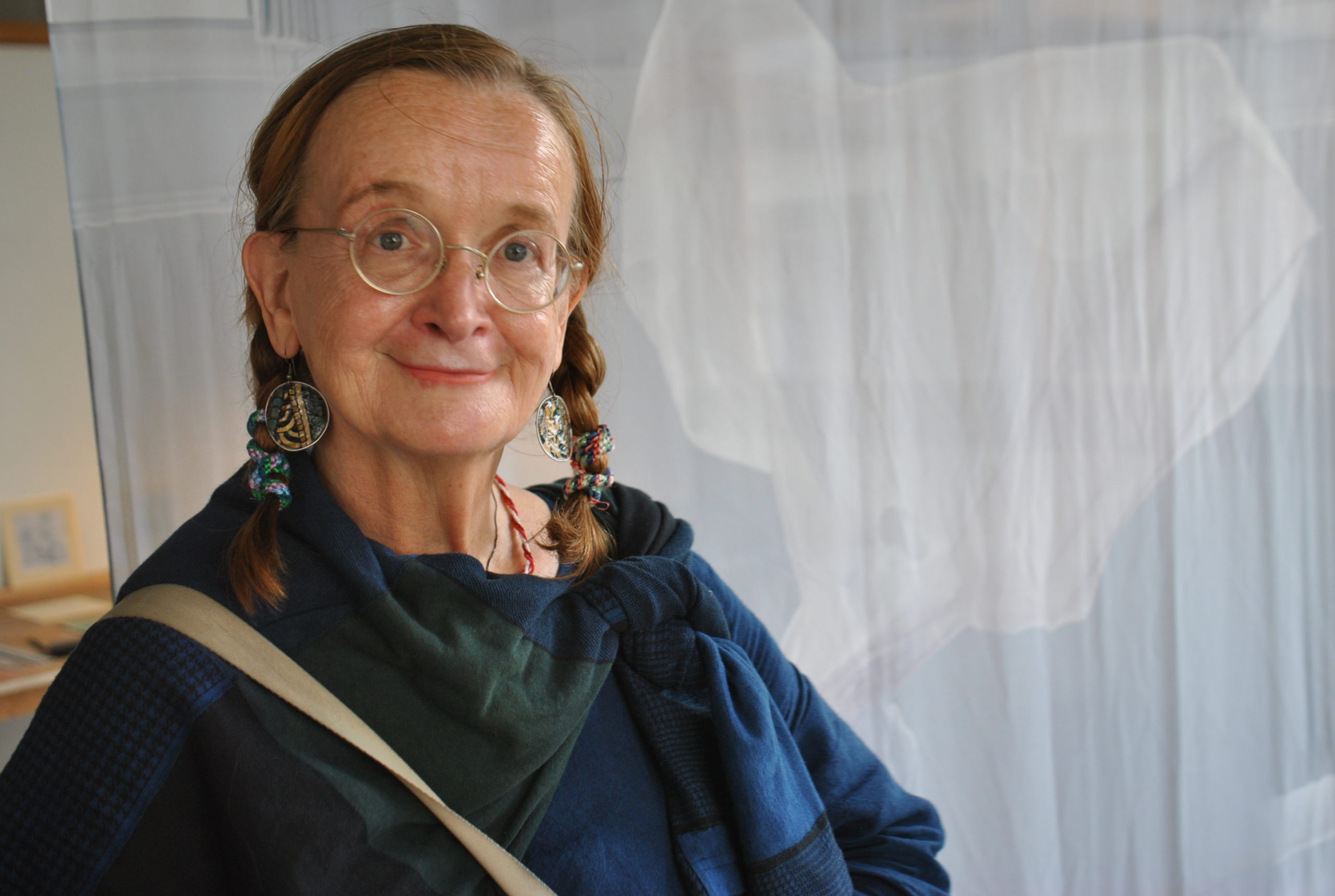
Regina Klein (born 1959 in Germany) is a writer, artistic researcher, and facilitator of collective writing processes based in Klagenfurt, Austria. She holds a PhD in cultural studies and coordinates Writers Space, a platform for translingual and dialogical creation. Her work moves between literary prose, essays, short plays and stories, and artistic research writing, examining how cultural, historical, and bodily inscriptions become narrative.
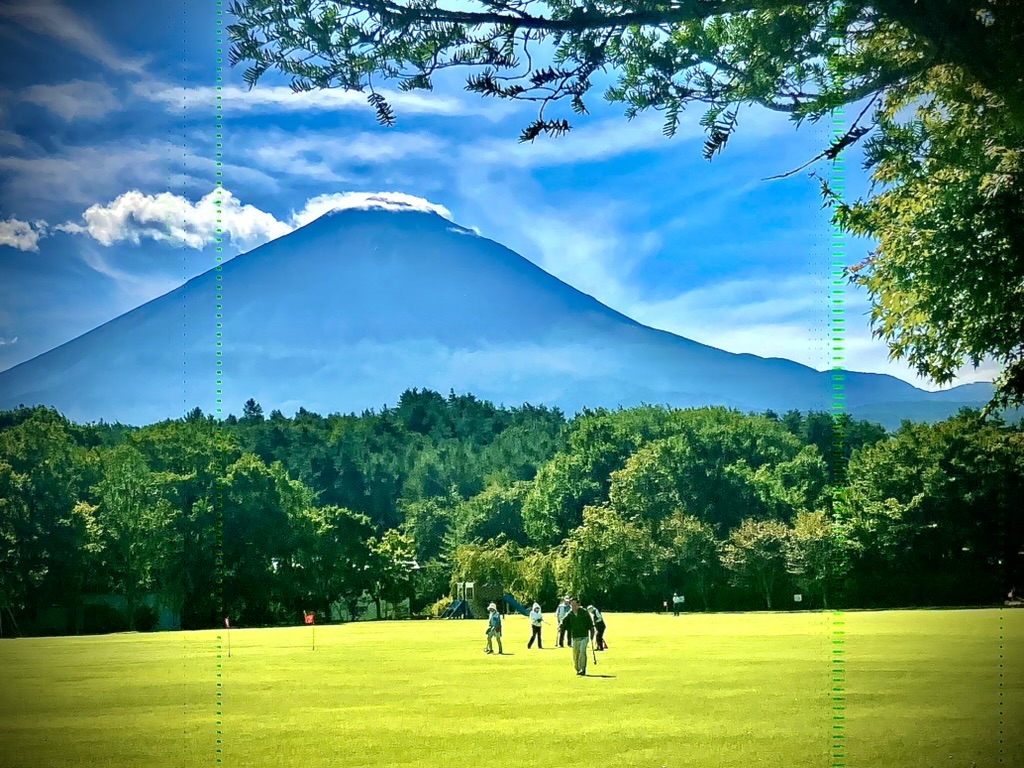
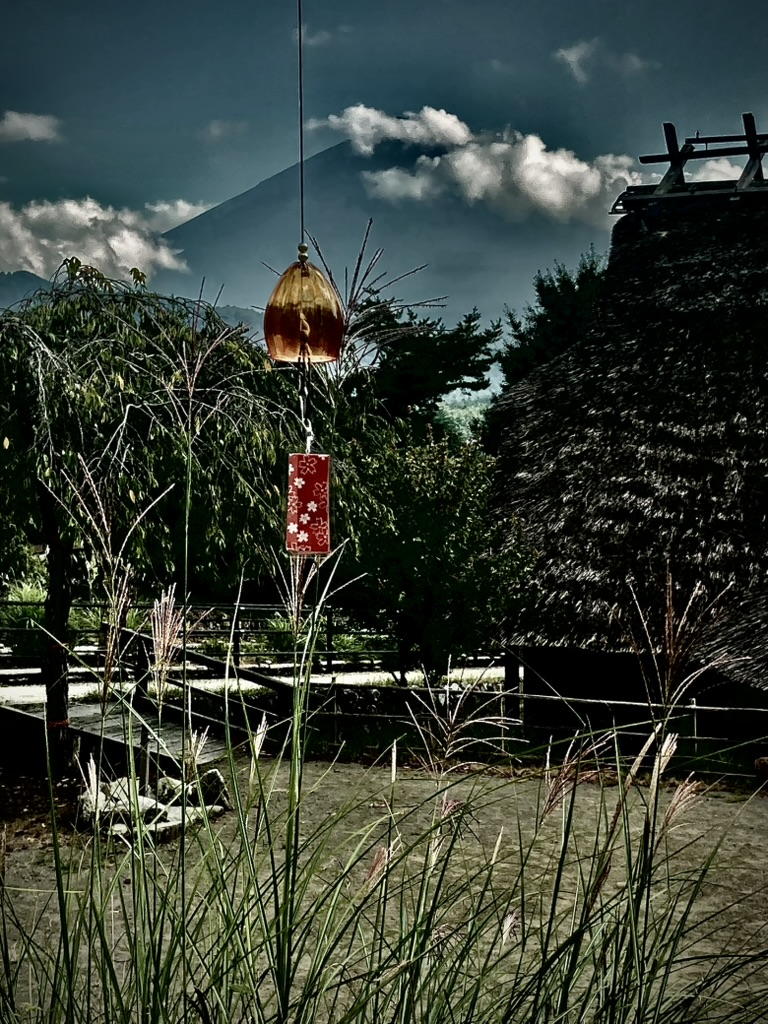
During her stay at SaikoNeon (artist-in-residence), she developed a site-responsive practice in which writing began from embodied perception and encounter. Walking and cycling around Lake Saiko, the Aokigahara forest, and nearby mountain paths became methods of attention and duration—sensing place through rhythm, weather, sound, and bodily exertion—while Mt. Fujisan remained a shifting relational horizon rather than a fixed motif. Writing emerged not as representation but as response, where landscape, memory, and language entered into dialogue.
At SaikoNeon she advanced Chickensexing, an autofictional novel-in-progress about a Japanese shōsei-bina kanbetsushi (初生雛鑑別師, day-old chick sexing specialist) moving between Germany and Japan, where suppressed histories and bodily memory resurface through Butoh dance; she presented the work-in-progress at the German Institute for Japanese Studies (DIJ), Tokyo. In parallel, she developed Schwellengesänge, a book-art project of short poetic forms (haiku, haibun, palm-of-the-hand stories) exploring thresholds between languages, bodies, and endangered practices, with an upcoming publication in Büchner-Verlag’s autumn program.
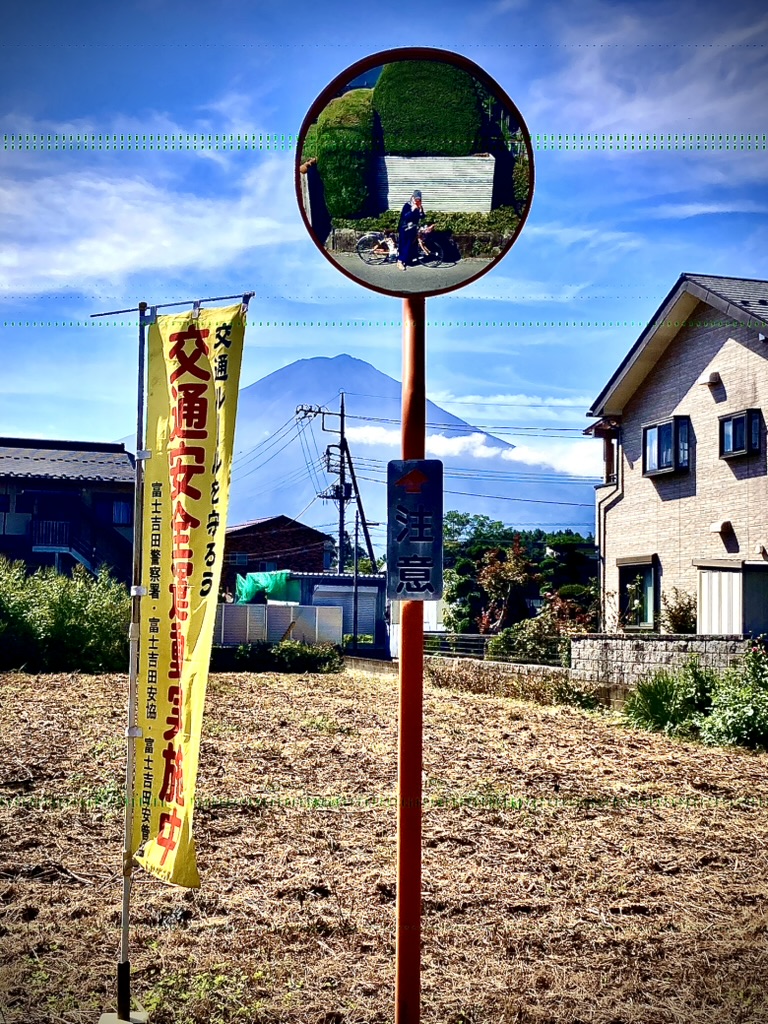
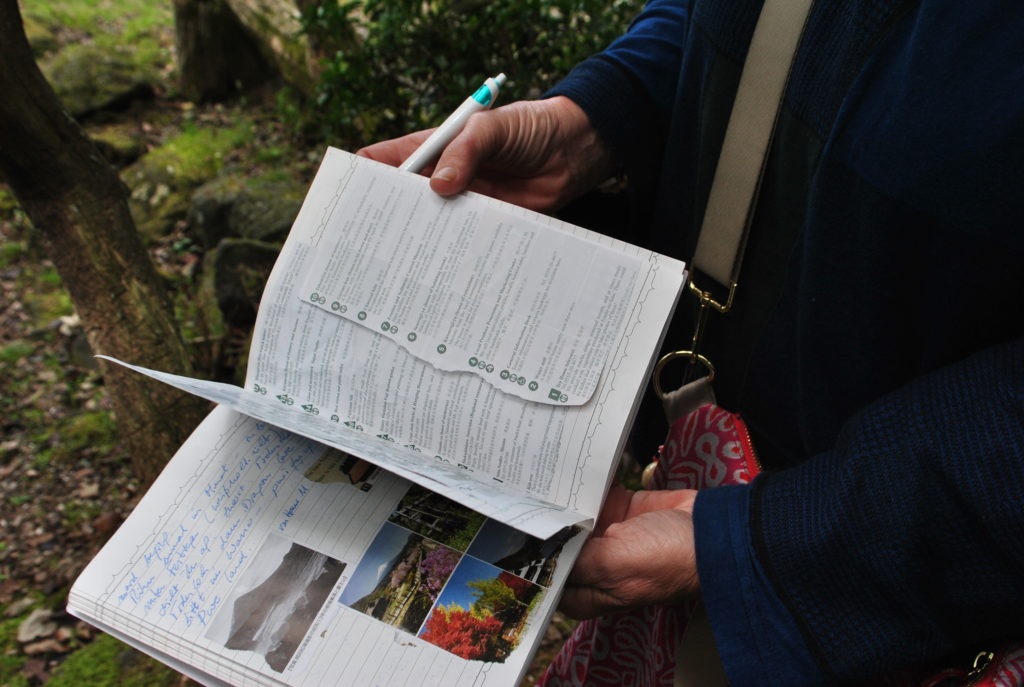

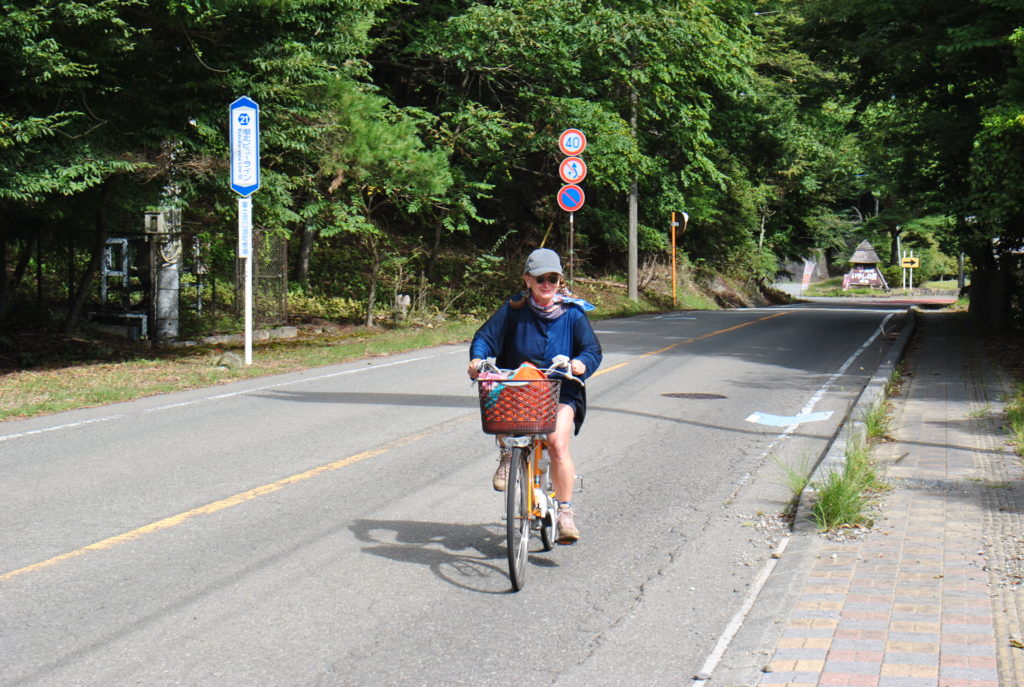
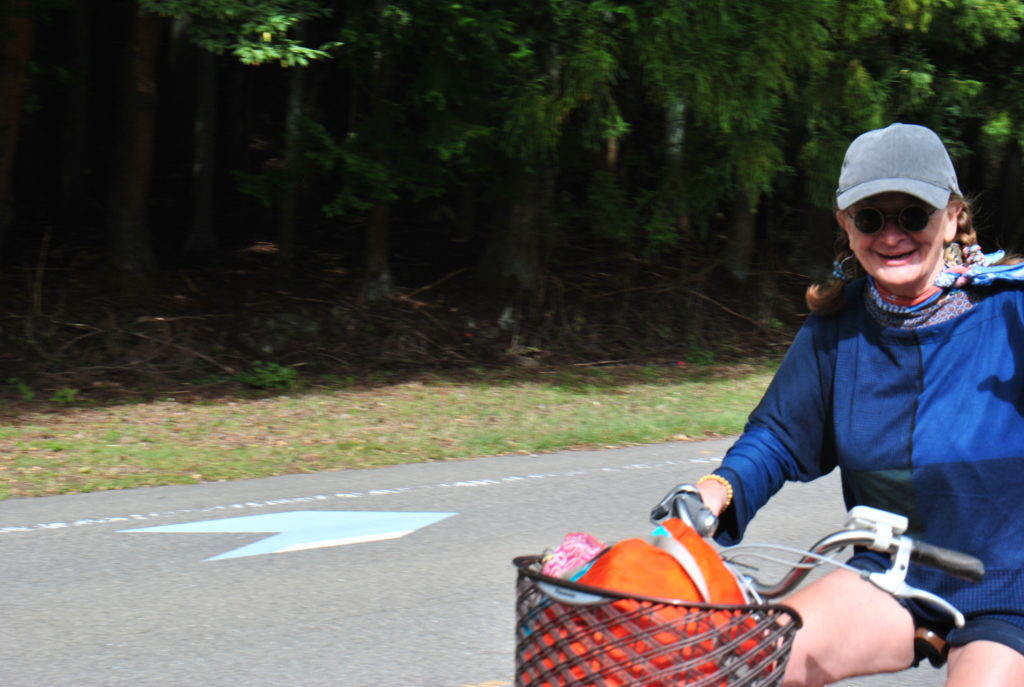
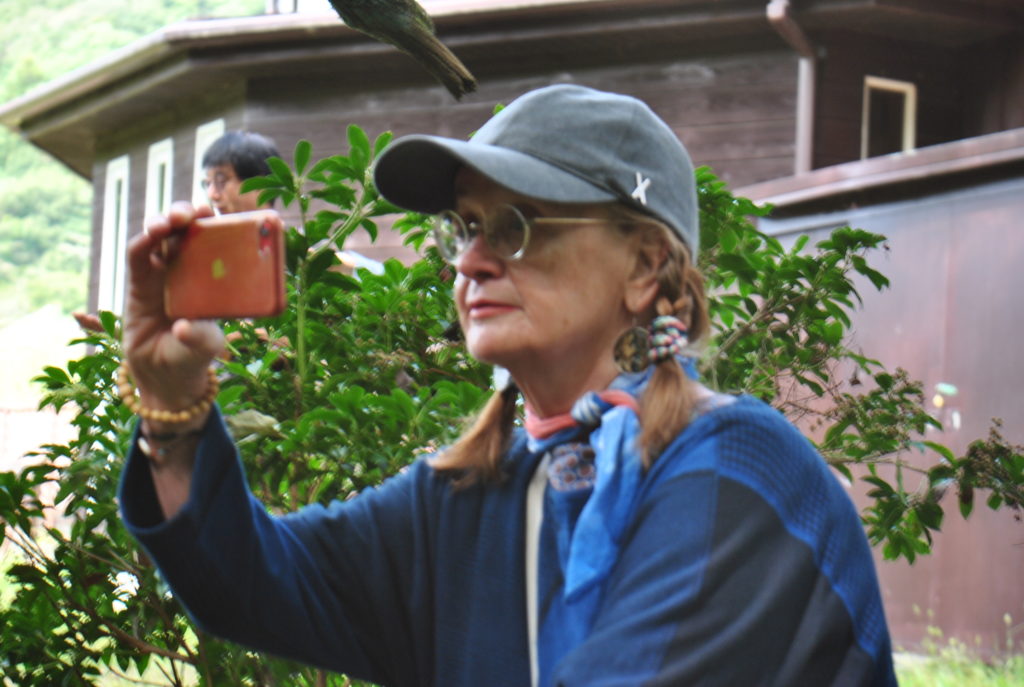
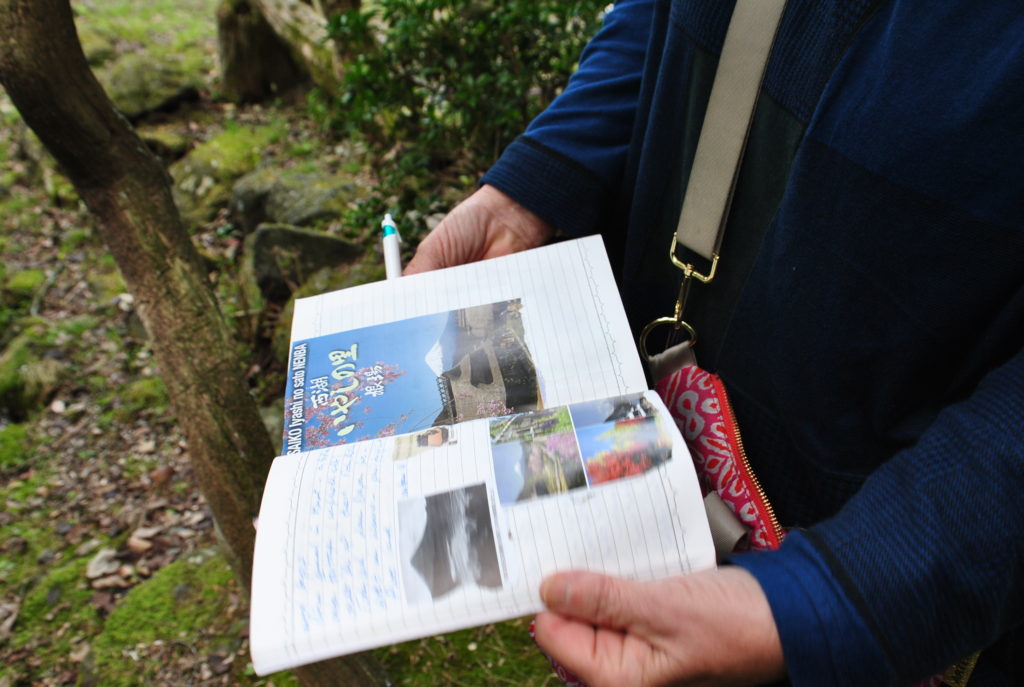
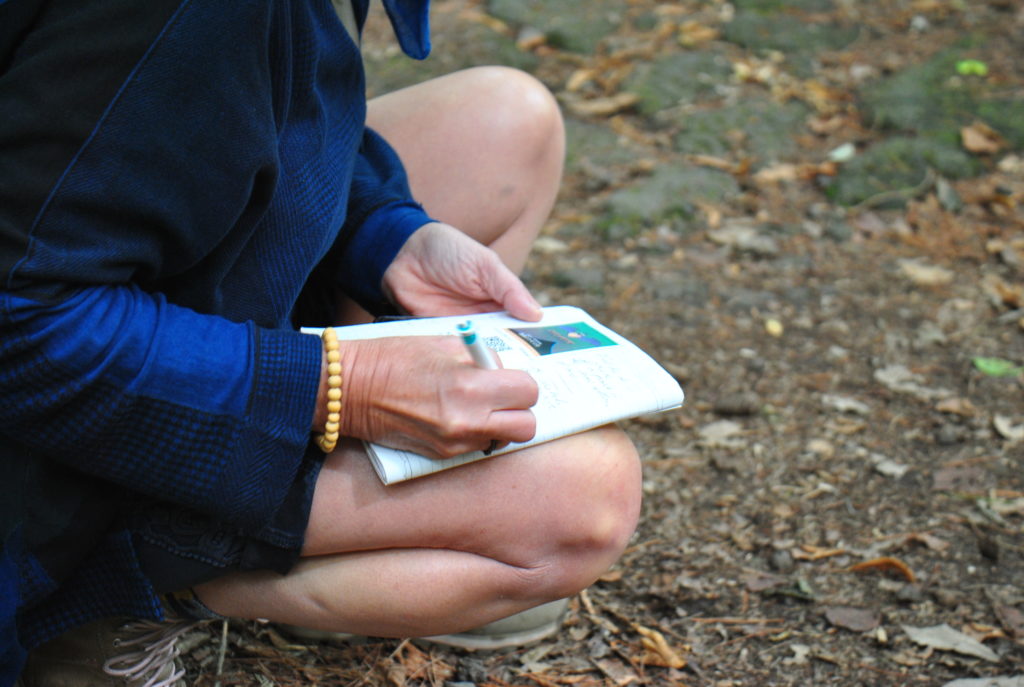
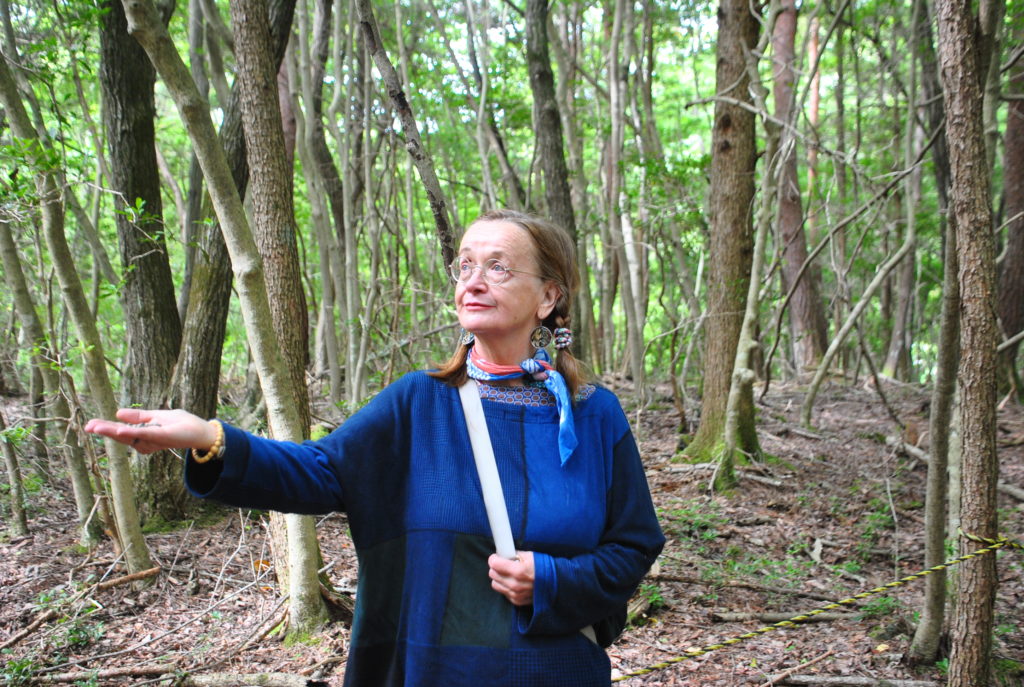


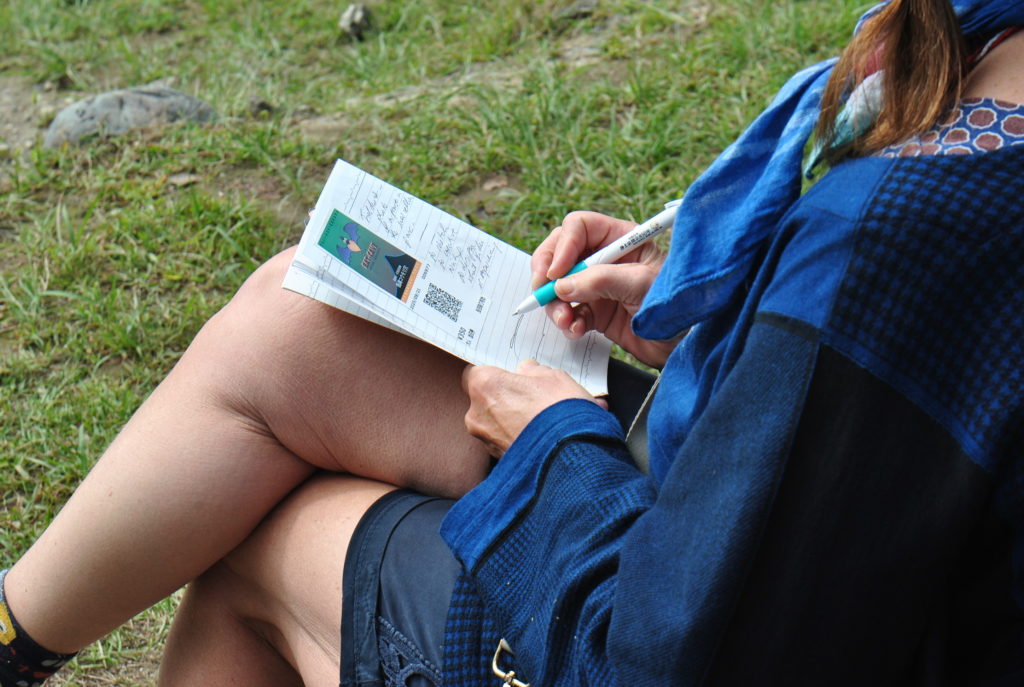
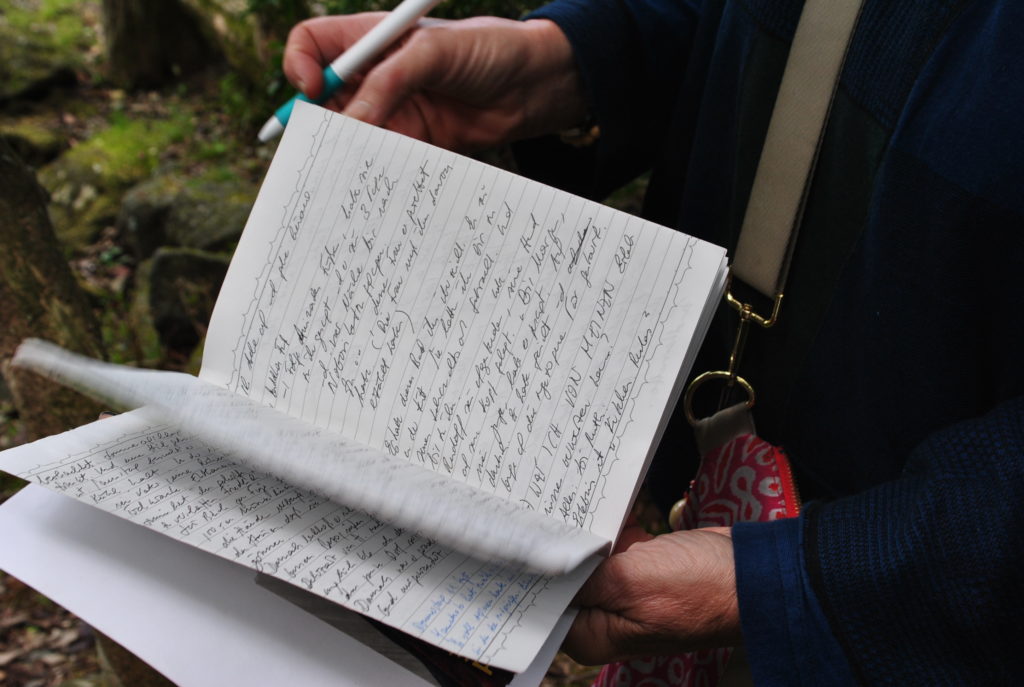
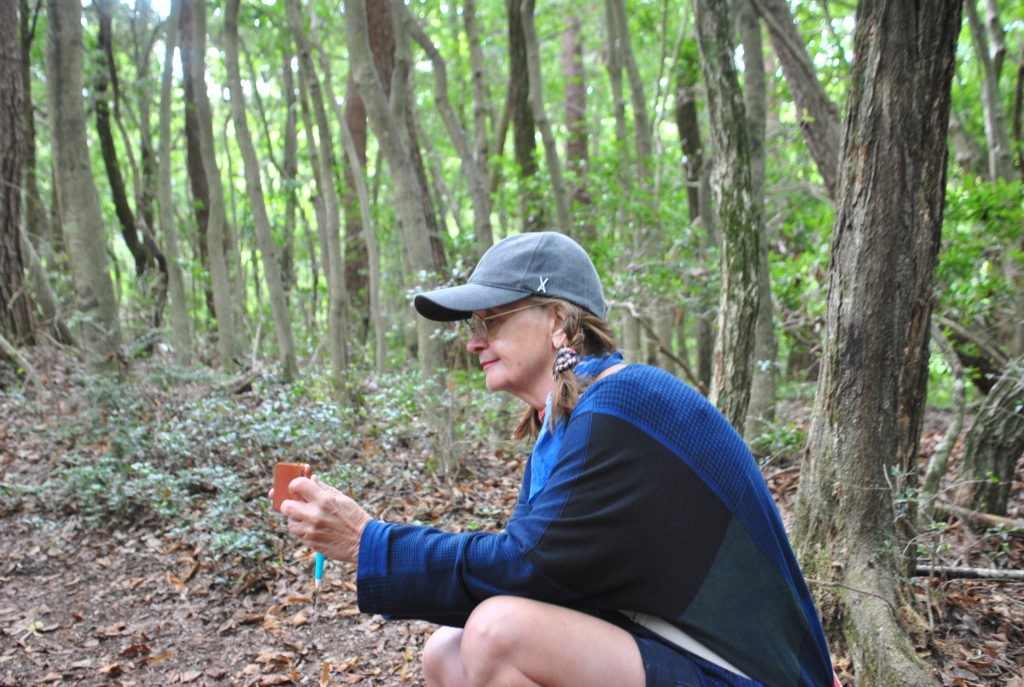
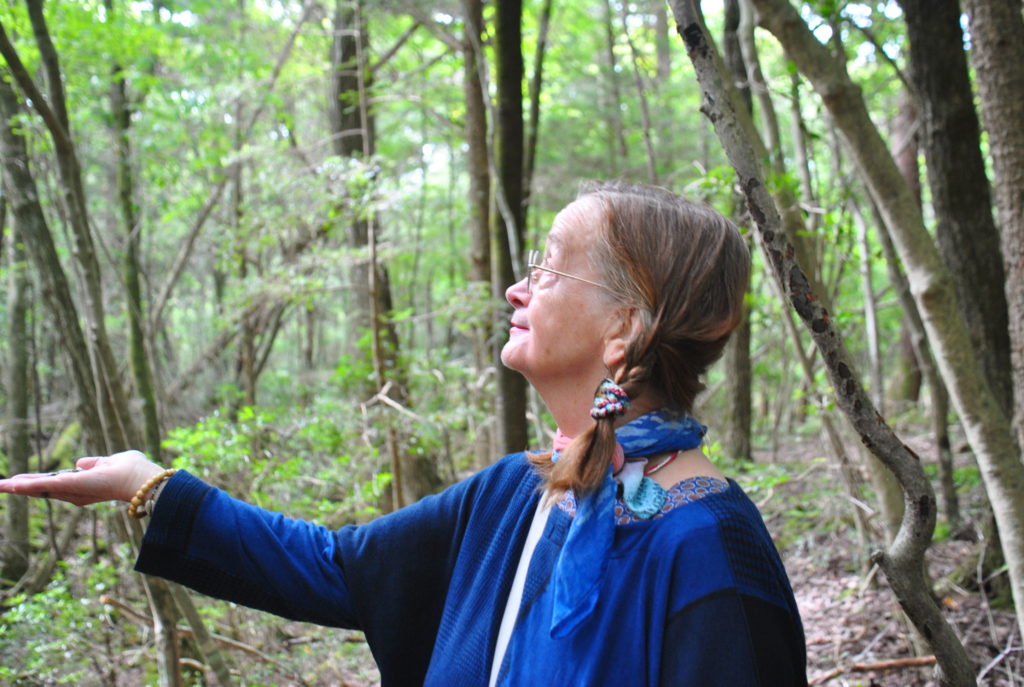
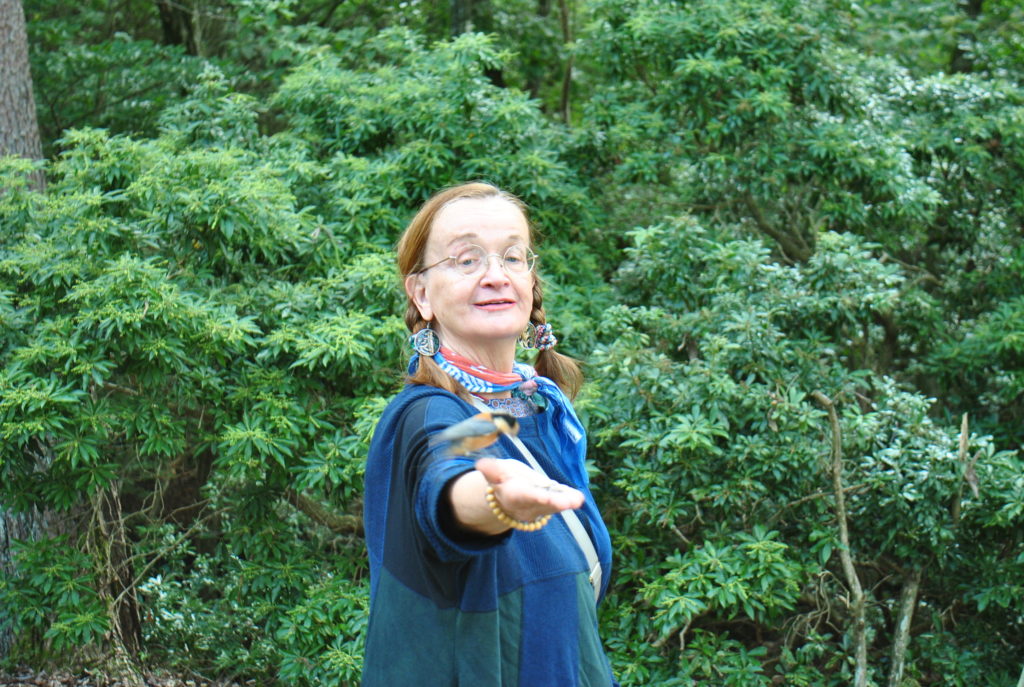
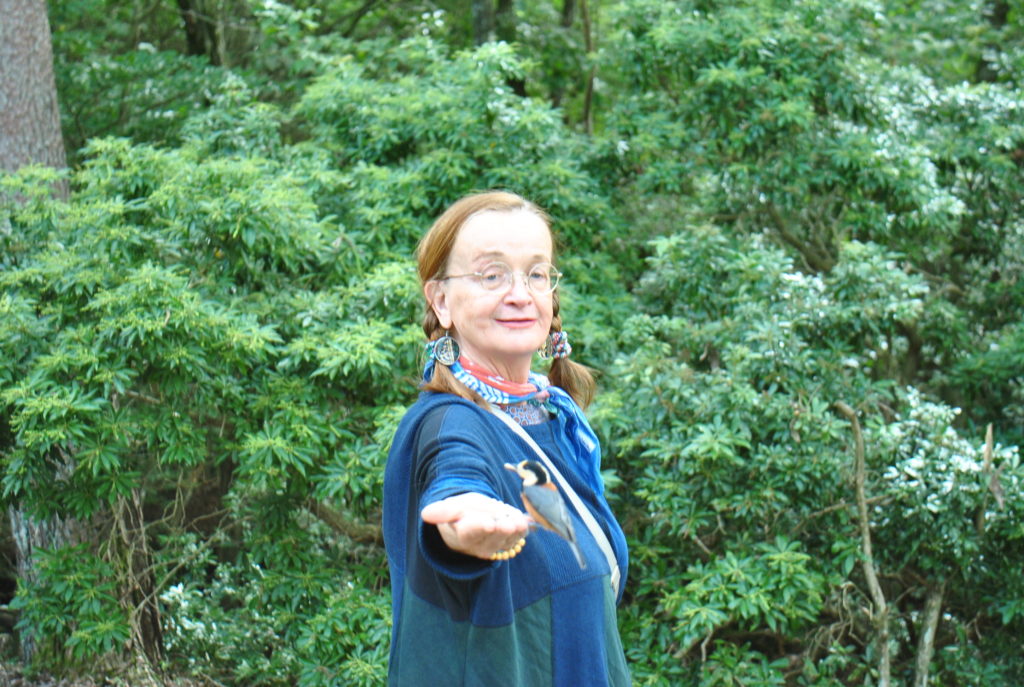
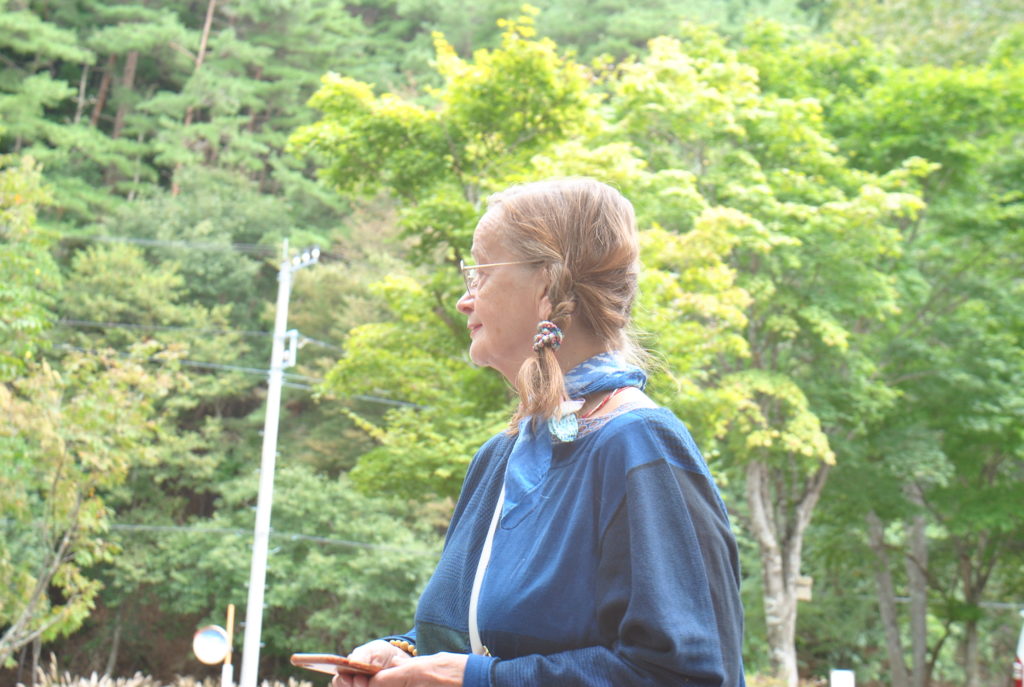
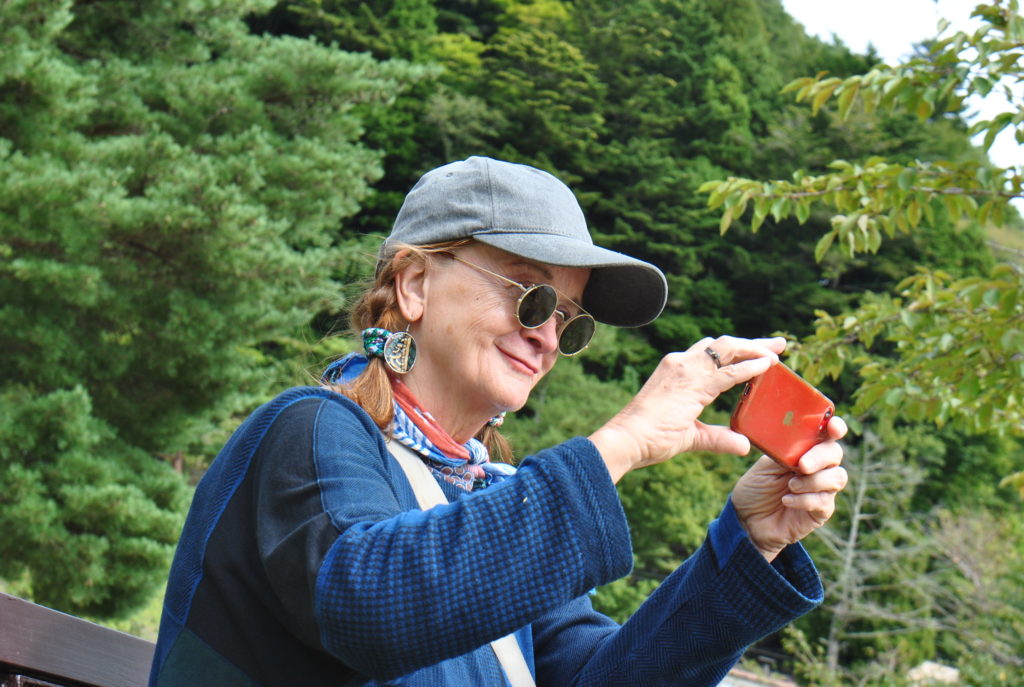
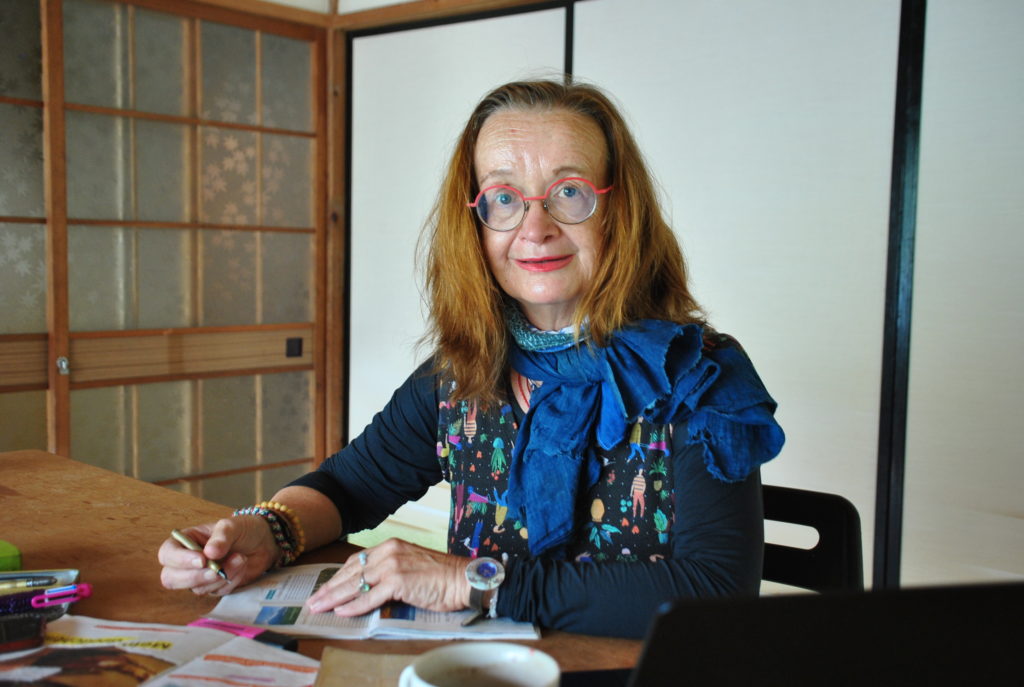
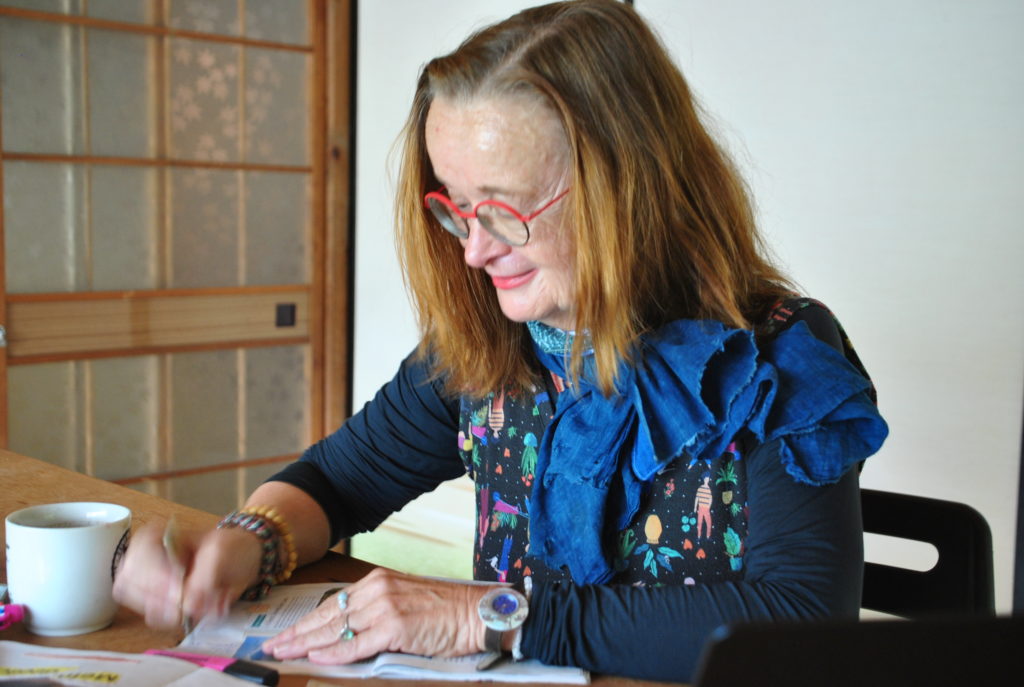
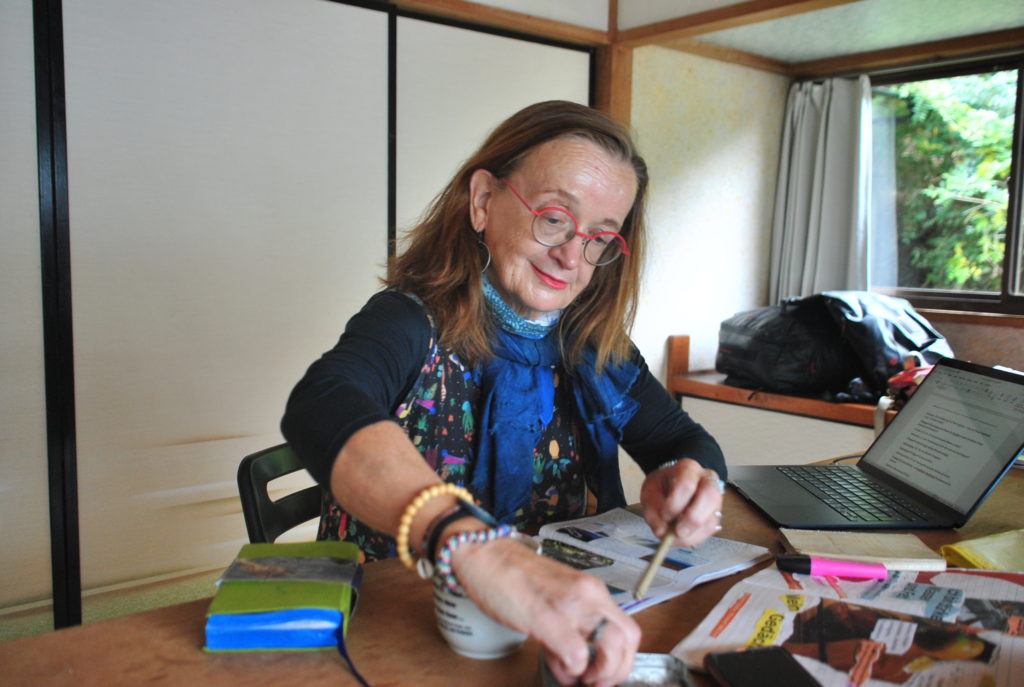
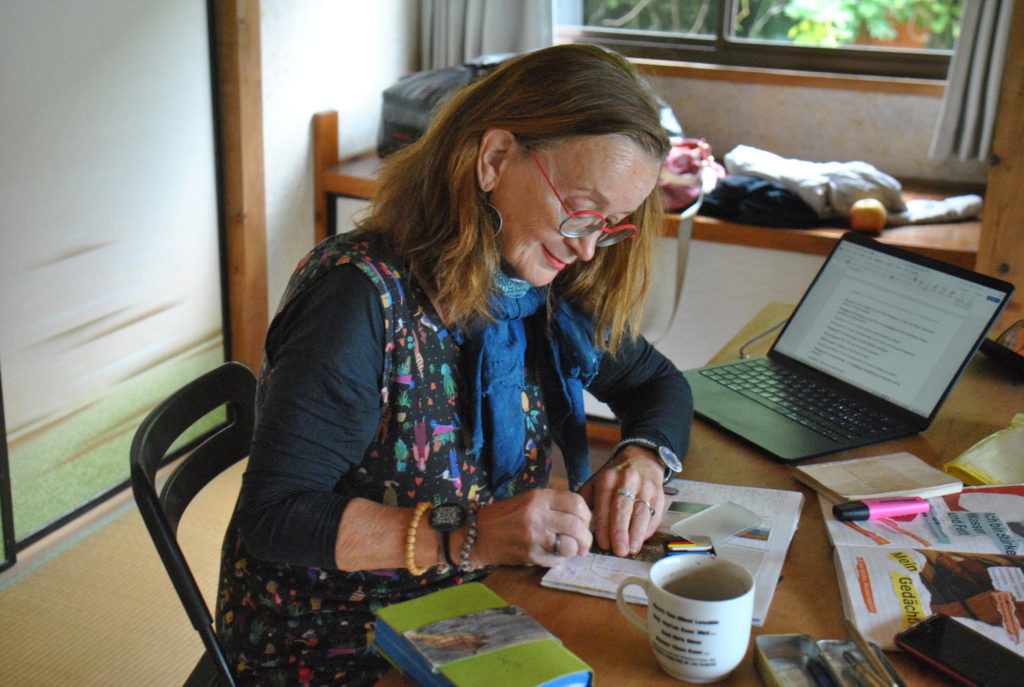
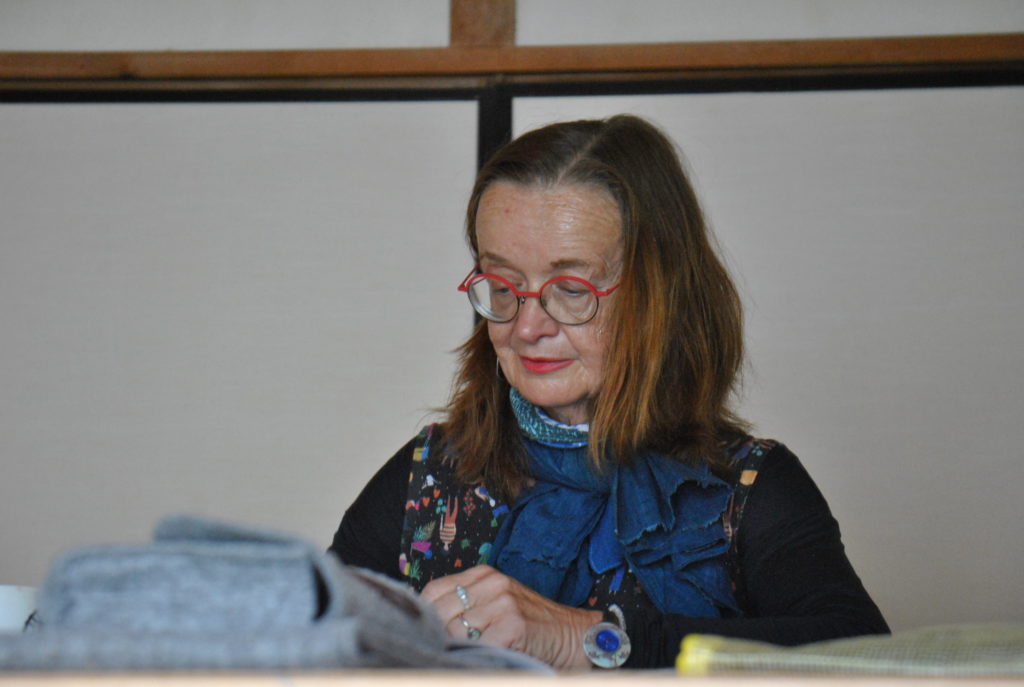
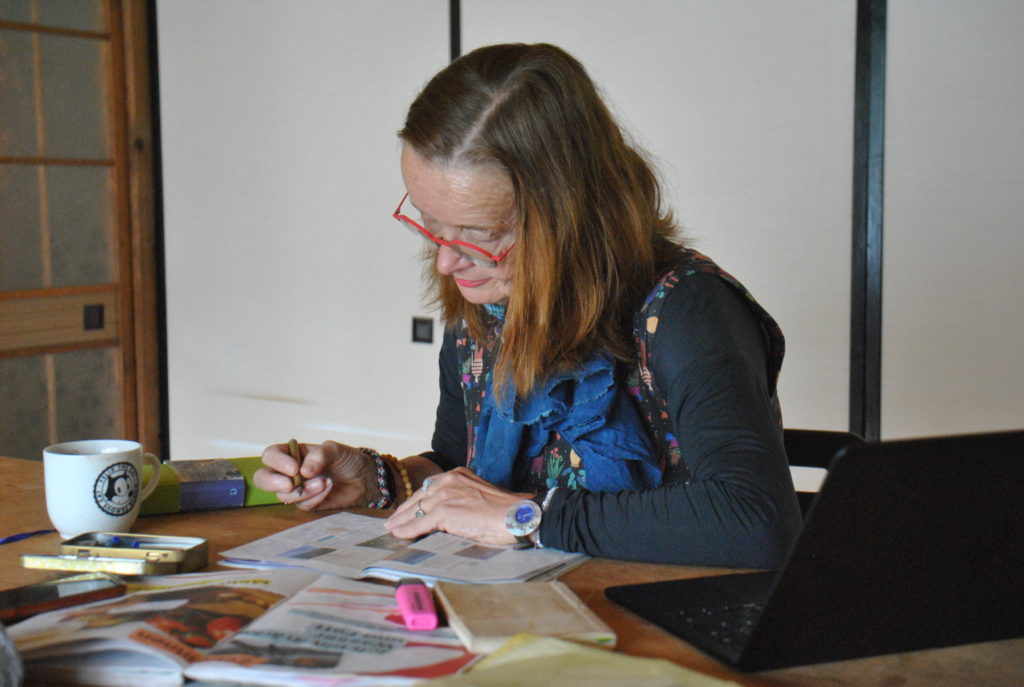
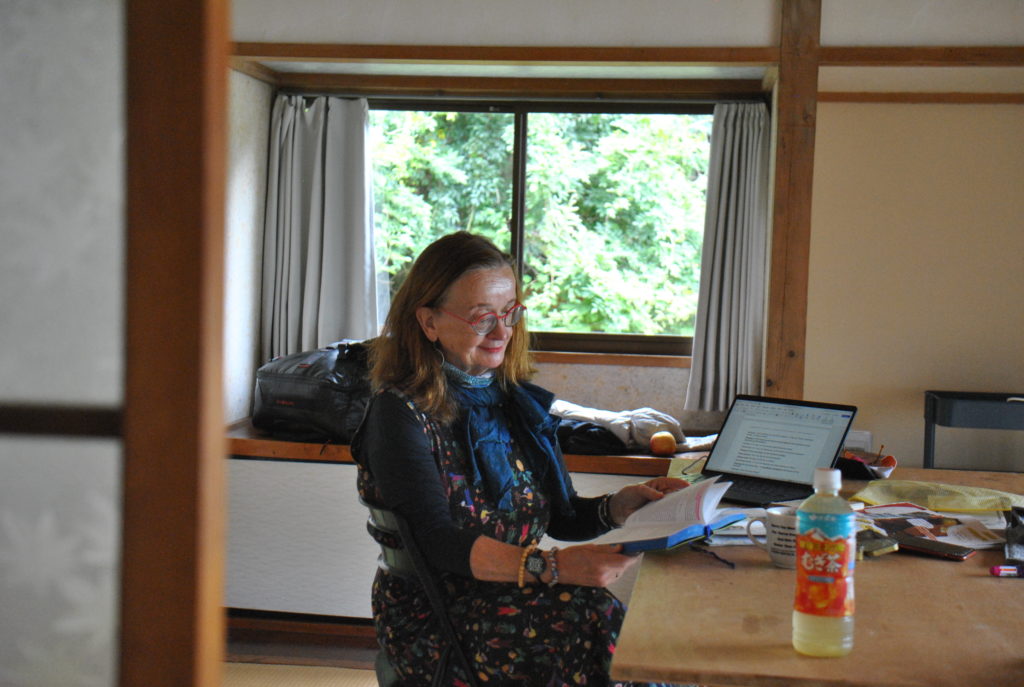
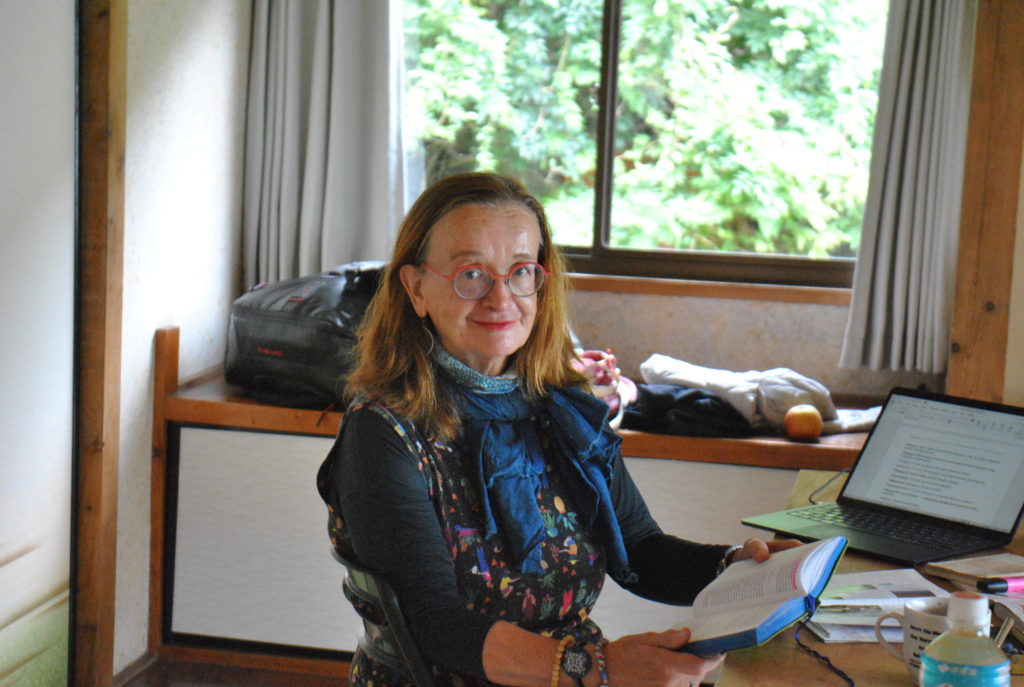
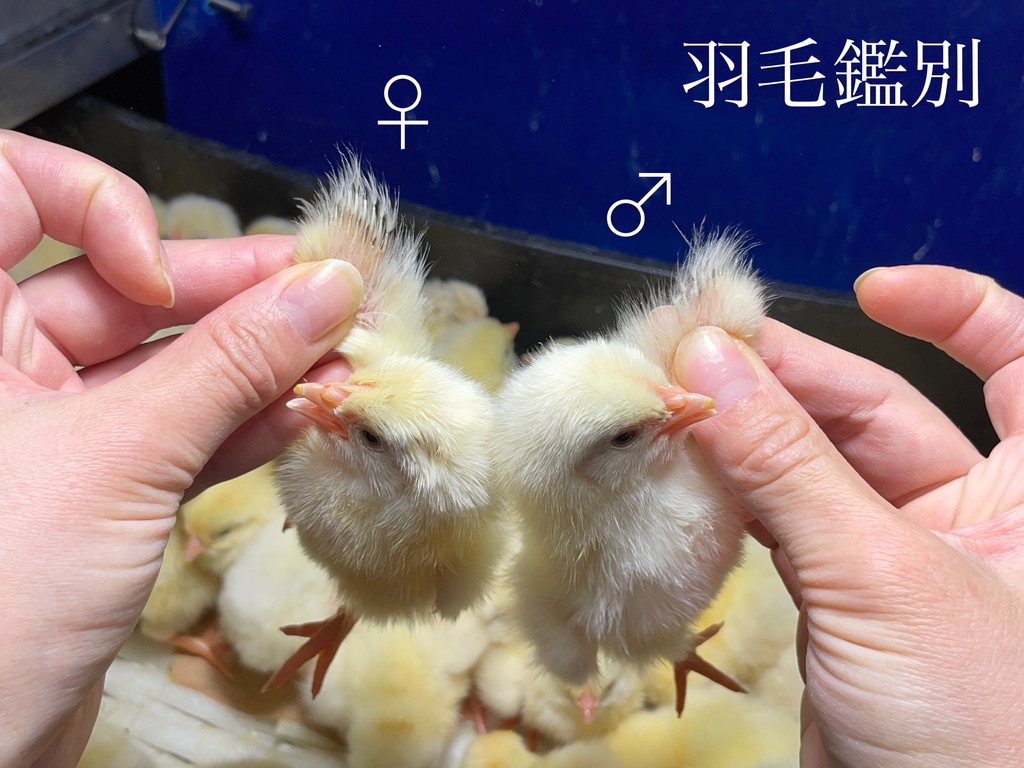
Photo :Kaori Takahashi
Regina Klein (2025)
Dates of residency: Term 5:9/8~10/3 2025
Regina Klein (born 1959 in Germany) is a writer, artistic researcher, and facilitator of collective writing processes based in Klagenfurt, Austria. She holds a PhD in cultural studies and coordinates Writers Space, a platform for translingual and dialogical creation. Her work moves between literary prose, essays, short plays and stories, and artistic research writing, examining how cultural, historical, and bodily inscriptions become narrative.
During her stay at SaikoNeon (artist-in-residence), she developed a site-responsive practice in which writing began from embodied perception and encounter. Walking and cycling around Lake Saiko, the Aokigahara forest, and nearby mountain paths became methods of attention and duration—sensing place through rhythm, weather, sound, and bodily exertion—while Mt. Fujisan remained a shifting relational horizon rather than a fixed motif. Writing emerged not as representation but as response, where landscape, memory, and language entered into dialogue.
At SaikoNeon she advanced Chickensexing, an autofictional novel-in-progress about a Japanese shōsei-bina kanbetsushi (初生雛鑑別師, day-old chick sexing specialist) moving between Germany and Japan, where suppressed histories and bodily memory resurface through Butoh dance; she presented the work-in-progress at the German Institute for Japanese Studies (DIJ), Tokyo. In parallel, she developed Schwellengesänge, a book-art project of short poetic forms (haiku, haibun, palm-of-the-hand stories) exploring thresholds between languages, bodies, and endangered practices, with an upcoming publication in Büchner-Verlag’s autumn program.


Photo :Kaori Takahashi

